
The grittiest war dramas capture the harrowing reality of combat through hyper-realistic and disturbing sequences, offering a glimpse of frontline conflict. While a film can never replicate the psychological and sensory ordeal, cinema offers civilians a vicarious experience. Netflix’s new military action thriller delivered on that realism, drawing from an unlikely inspiration.
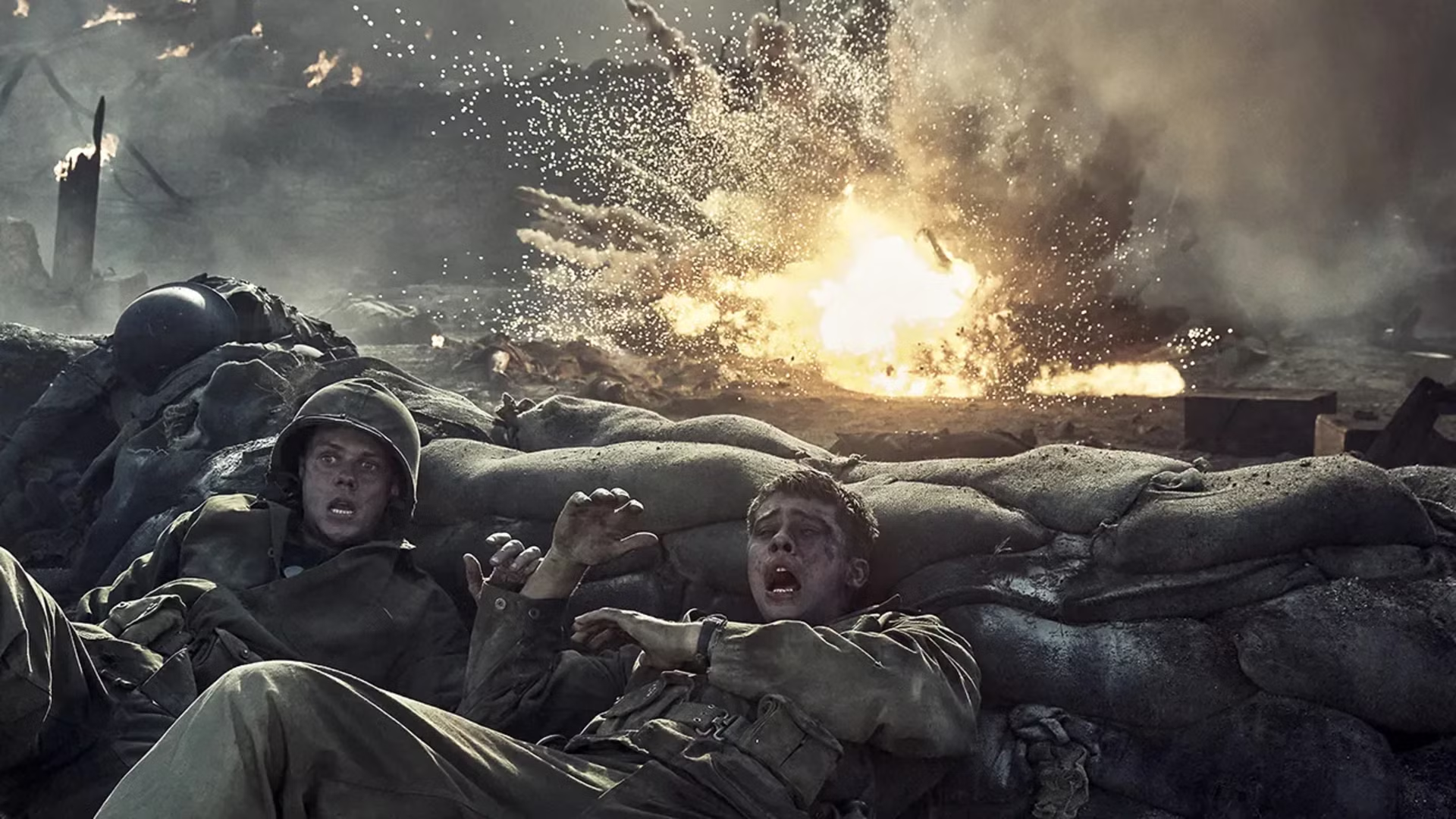
A handful of war dramas were so visceral they were difficult to watch. Full Metal Jacket was unrestrained in its depiction of the unspeakable horrors of war, while Saving Private Ryan‘s opening assault was so jarring that it distressed the aging combat veterans who saw it in theaters. Director Peter Berg sought the same realism with The Mosquito Bowl, a World War II epic about an unexplored interlude during the Pacific campaign. Speaking with MovieWeb, Berg confirmed his film’s gripping combat scenes were modeled after the best in the genre, alongside a surprising influence — Gaspar Noé’s 2018 psychological horror film, Climax.
“It’s a very, very intense, immersive film that was one of the more impactful films that I’ve ever experienced. He’s taking his audience, and he is immersing them in some pretty rough stuff. And I don’t recommend this film for people who don’t have an appetite for tough movies psychologically and physically.”
POLL
Question 1 of 3
How do you generally feel about war films that are extremely graphic and emotionally intense, like The Mosquito Bowl aims to be?
After reading about The Mosquito Bowl’s immersive, ‘white buzz’ combat style, how interested are you in watching it on Netflix?
When you choose intense, boundary-pushing movies (war dramas, psychological horror, etc.), what are your main reasons for watching?
Noé’s movies break cinematic and societal taboos, featuring explicit, unfiltered violent and sexual content. His knack for pushing audiences well beyond their comfort zones is best demonstrated in Irréversible, which features a notorious ten-minute sexual assault scene. Climax, a movie about a dance troupe whose rehearsal night devolves into pure chaos, features long takes, disorienting perspectives, and saturated lighting, effectively making viewers feel like participants in the madness instead of mere observers. “It’s a tough film, but if you do [watch it], you might hate it,” Berg said. “I can’t say I love the film, but I respect what he does and its visceral power. Climax was something that I was thinking about when we were filming some of the more kinetic aspects of The Mosquito Bowl.”
The Mosquito Bowl mimics Climax‘s drug-induced nightmare in scenes where the camera zooms in on characters’ faces or chases closely behind them as they frantically scramble across a war zone. The camera serves as an embedded, active participant — like a combat correspondent — and audiences witness the sheer panic unfolding from that perspective. This ties into the film’s concept of “the white buzz,” an intense, blinding sensory overload triggered by a sudden adrenaline rush.
The Mosquito Bowl strips away Hollywood heroism with a visual language that depicts war as a horrific ordeal. Its characters navigate it by sheer instinct for survival, leading to actions that may seem questionable to an outsider. The film embraces their humanity in the face of unspeakable brutality, something they never could have prepared for.